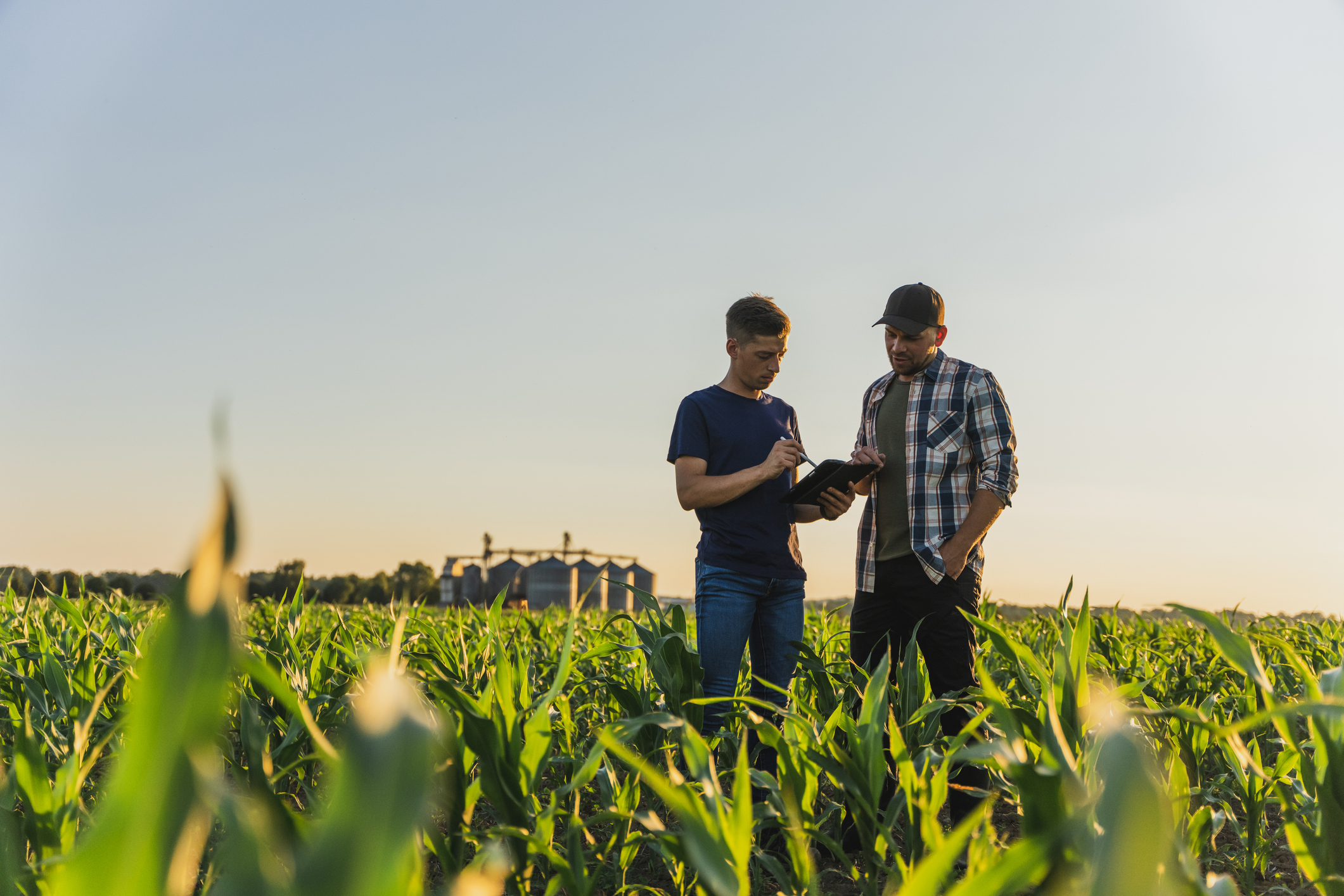
The agricultural industry has encountered many challenges in the past few years, but it may be facing one of its biggest threats to date: a talent desert. As with most sectors, farming has become more digitised. Agricultural drones and sensors paired with artificial intelligence (AI), machine learning, and Internet of Things (IoT), for example, offer real-time data rich with insights to help businesses better care for their crops and livestock.
But these new technologies require specialists on staff who understand this technology and can interpret the results. And these same automation experts, systems engineers, and data scientists are in great demand by Silicon Valley and the global tech giants of the world.
So, how are agricultural companies to compete?
The skills revolution transforming agriculture
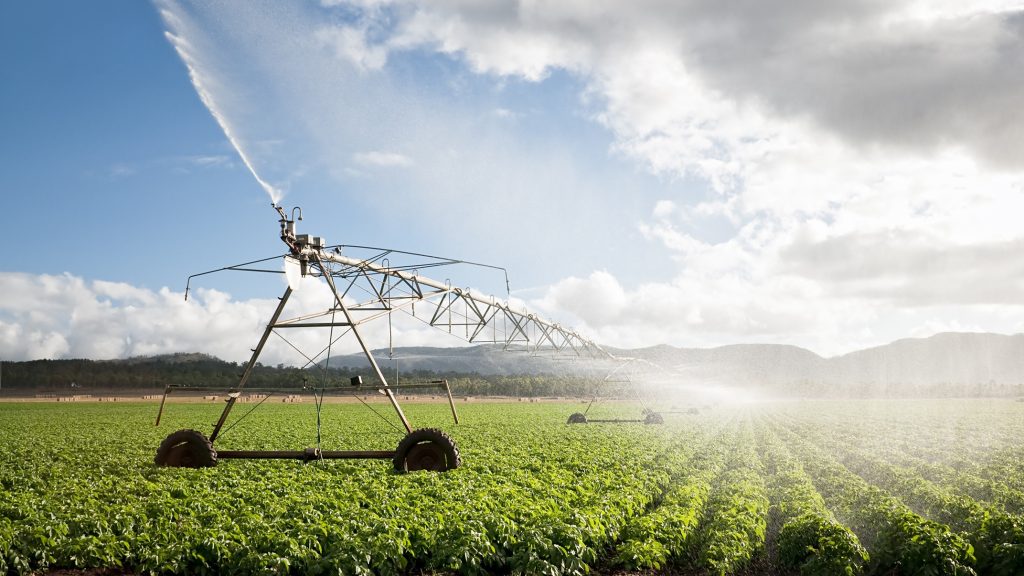
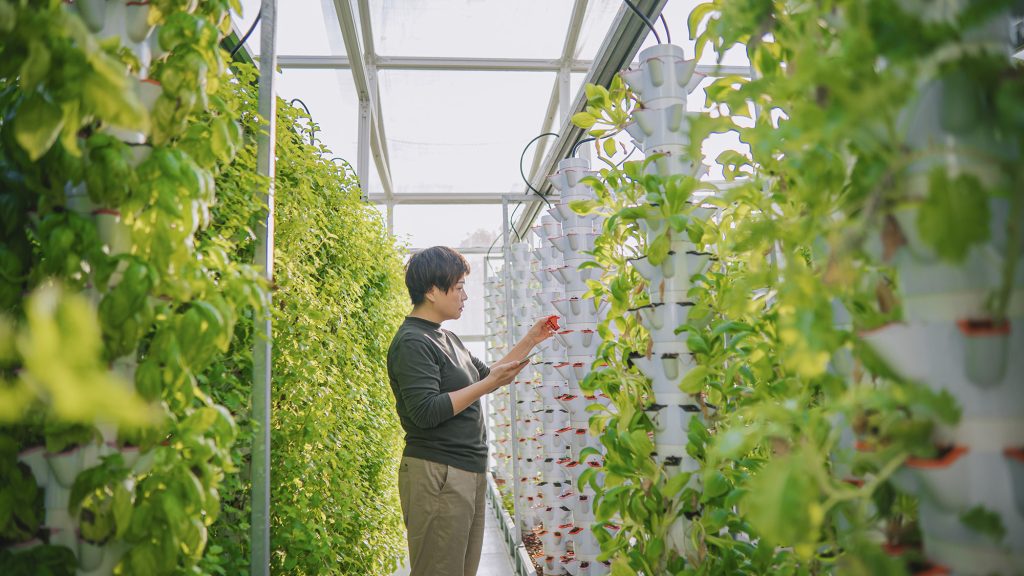
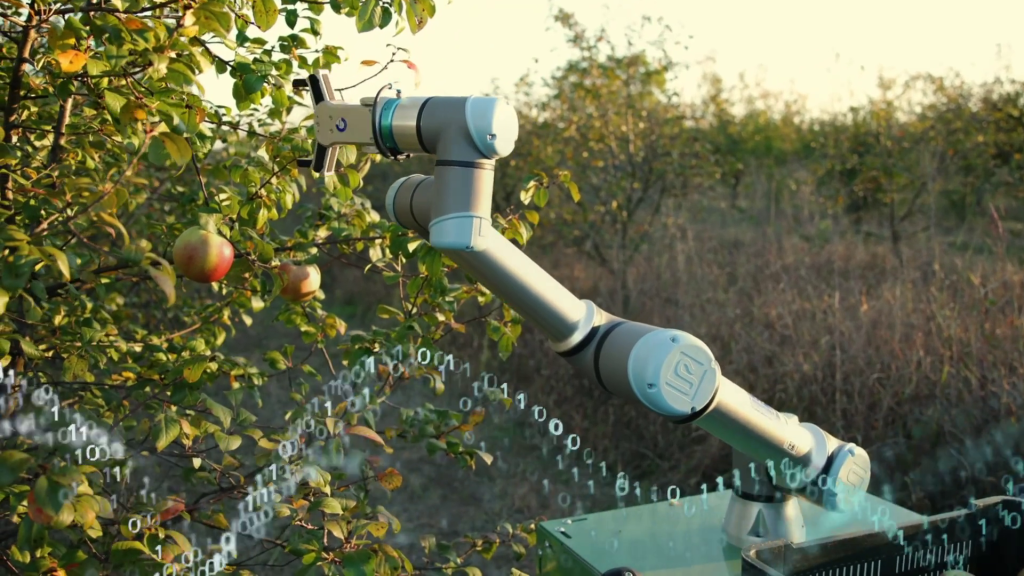
Many experts believe we're entering what's called the fourth agricultural revolution, or Agriculture 4.0. Innovations like remote sensing platforms, GPS-guided precision equipment, drone-steered crop surveillance, robotics, and AI-powered machinery are being adopted in all areas of farming and yielding a fresh crop of data of their own. The IDC states that "the average farmer generates 500,000 data points every day" relating to the health of crops or the composition of soil. This vast amount of information requires the attention of a trained professional.
The acceptance of new technology will only continue to expand. One report says that more than 60% of surveyed large-scale farmers were already using or planning to use advanced techniques like yield monitoring. This means that a traditional farm will need to embrace digital skills in today's world if it wants to survive and thrive.
Farm hands and data scientists
Agriculture 4.0 could significantly change the makeup of the current workforce. Now, a professional with an advanced degree could stand alongside the archetypal weathered farmhand and talk about agronomy, analytics, environmental engineering, or robotics.
Some of the key roles that farmers may need to fill include:
Naming the talent is one thing, of course — finding experts for your business is another. Skilled candidates are often drawn to other, more attractive sectors. And the farming industry itself is still riddled with stereotypes, tarnishing its perception among job seekers.
AG America says that the American farm labour force has shrunk by almost 75% in the past 70 years, due to advances in efficiency and market forces. And the USDA's Economic Research Service notes that there's been a significant drop in the number of hired farm workers, even though wages may have gone up significantly over the past 10 years.
Fewer young people choose agriculture as a long-term career, which may explain the fact that the average US farmer is older than 58. So, it's not surprising that we see a widening gap between the digital ambitions of today's farmer and the available, willing candidates who can actually help them out.