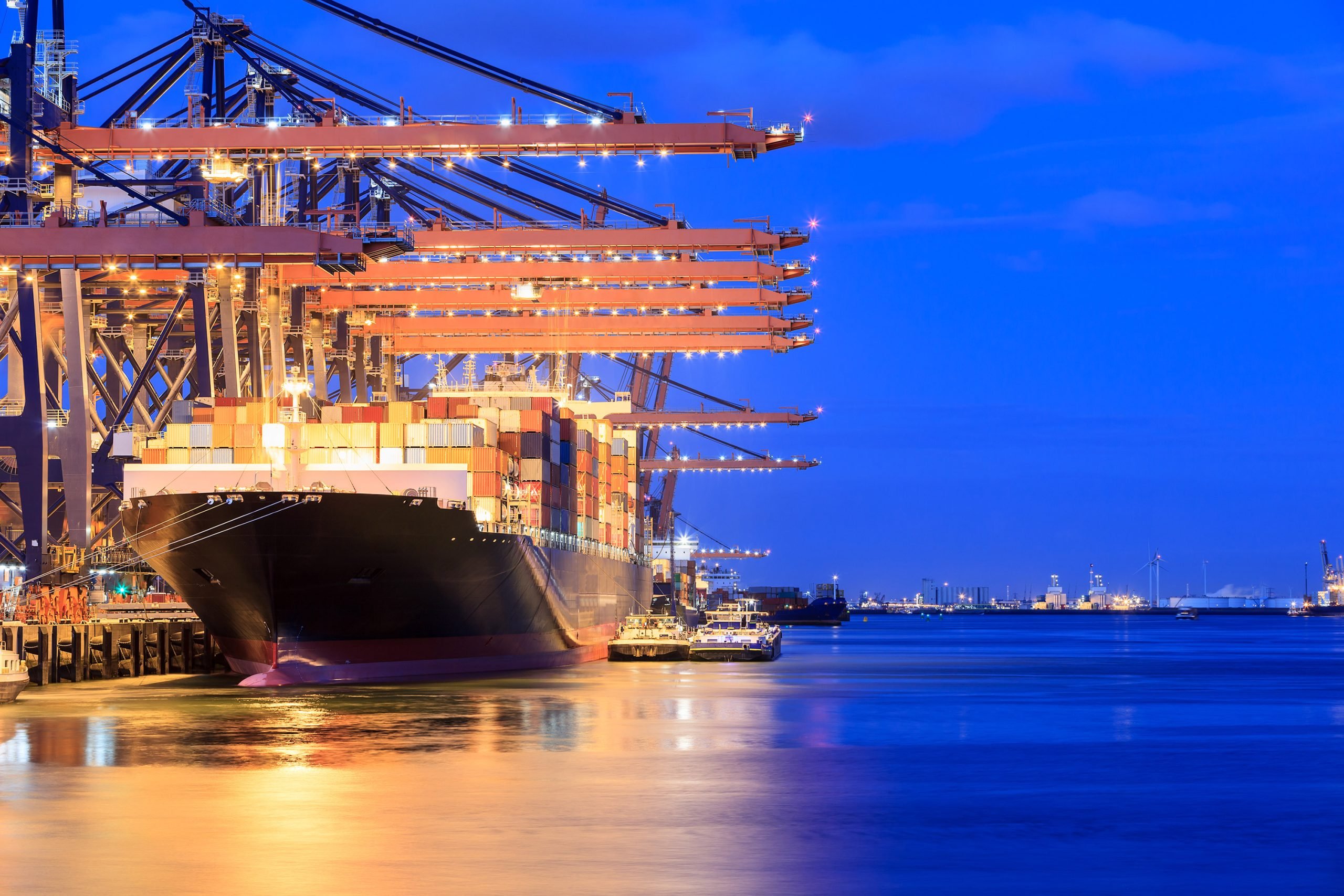
The threat of new or increased tariffs between major world economies has created a volatile situation for companies with multinational operations. Recent examples include the reintroduction of tariffs on all steel and aluminium imports into the United States, new and increased levies between the US and China, and new 25% tariffs on US imports from Mexico and Canada are due to be implemented in early March 2025.
For now, these appear to be across the board tariffs, however time will tell if the impact will be narrowed to include only specific product categories. HLB International has been coordinating our international tax and transfer pricing experts across the United States, Mexico, Canada, and China to provide our clients with practical guidance on some of the most pressing questions to a global business facing the prospect of new or elevated tariffs.
While customs and tariffs affect each global company in a unique way, common best practices can help tax, finance, and operational departments navigate the complexities of a fast-changing world trade environment in which the cost of raw materials, inputs, and finished goods can spike with little warning.
This uncertainty creates a stress on global businesses of all sizes where the cost of importing and exporting products may change with no recourse and the company is faced with either passing on the cost to the consumer or bearing it themselves. Neither is an attractive option.
Based on numerous discussions with our clients over the past several weeks, and global collaboration within our international network, HLB has developed a three-phased approach to assessing the impact of, and adjusting to, a new customs and tariff footprint. This strategy is intended to help companies make well-informed, proactive decisions while ensuring compliance with relevant tax, transfer pricing, and trade rules, and consists of the following:
Phase 1: Global supply chain mapping
The first action any company should take when evaluating the potential effect of new tariffs is to ensure a thorough understanding of its own internal and external supply chains, its stakeholders, and processes. This process entails answering the following key questions, among others: