
Marcelo Fonseca
Global Foreign Direct Investment Leader



Over the past 25 years, Costa Rica has made commendable progress, including resuming growth post-COVID-19. However, the path to sustainable economic growth remains fraught with challenges. Economic resilience is bolstered by exports, as domestic consumption is currently weakened by inflation and high unemployment levels.
Significantly, the composition of Costa Rica's export basket has evolved over the past three decades, incorporating products with higher levels of sophistication and added value. Nevertheless, unemployment rates in Costa Rica continue to exceed those of other Latin American countries such as Chile, Colombia, Mexico, and Brazil, as well as the OECD average.
The government faces challenges with fiscal management, particularly in reallocating resources more efficiently and enhancing the business environment. A substantial portion of government expenditure is dedicated to public employee salaries. There is a pressing need for Costa Rica to adhere to its fiscal rule stringently, aiming for a substantial reduction in the public deficit.
Concurrently, revising the tax structure to improve efficiency is critical (with a significant reliance on social security contributions for government revenues). Enhancing the quality of public spending, particularly in infrastructure and education, is essential. Additionally, reducing regulatory burdens and fostering competition among businesses will catalyze economic growth.
For sustainable growth, Costa Rica must boost productivity and mitigate fiscal risks. Modernizing the public sector and optimizing resource allocation are crucial for enhancing the population's quality of life and sustaining economic growth to meet the nation's challenges.
Costa Rica has a great interest in promoting foreign direct investment, and these investments are a high priority for the country. In recent decades, the country has been successful in attracting foreign investment in areas such as:
The PROCOMER government agency is responsible for promoting programs aimed at attracting foreign direct investment and exports. Among the various initiatives aimed at attracting investment is the “Free Trade Zone Regime”. This is a series of tax incentives for companies that plan to invest in the country, with consequent generation of income from exports and jobs. Interested companies must meet a series of prerequisites to qualify (290 companies already operate under this regime).
According to the PROCOMER website, the following sectors are of interest to the country to receive foreign investment:
This list demonstrates the country's ambitions to have a diversified economy that invests in the production of goods and services with high added value. In July 2023, a partnership was announced with the United States aimed at developing the semiconductor ecosystem, strengthening ties with its largest foreign investor (in 2022, direct investments from the United States represented 73% of the total received by Costa Rica).
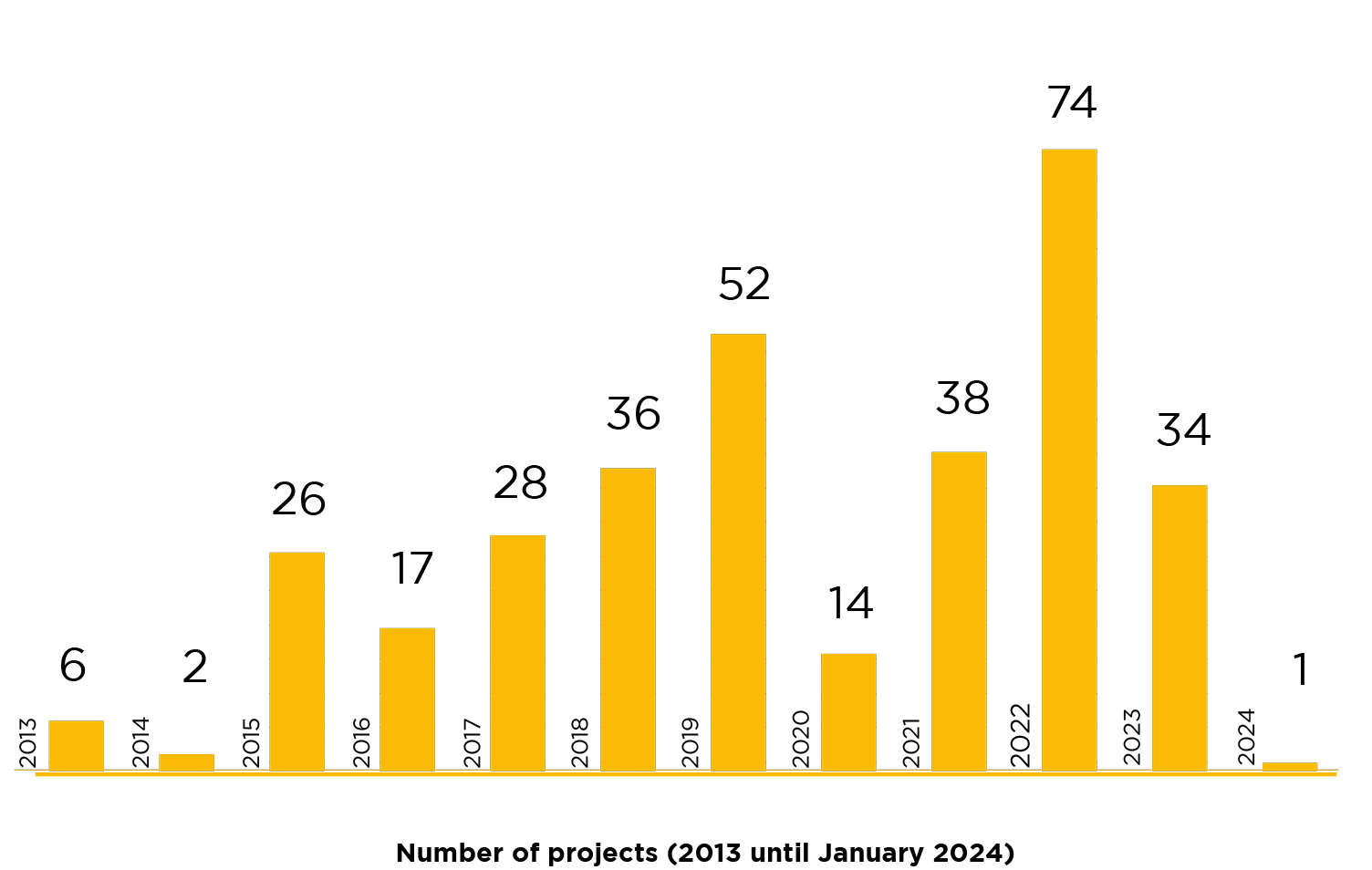
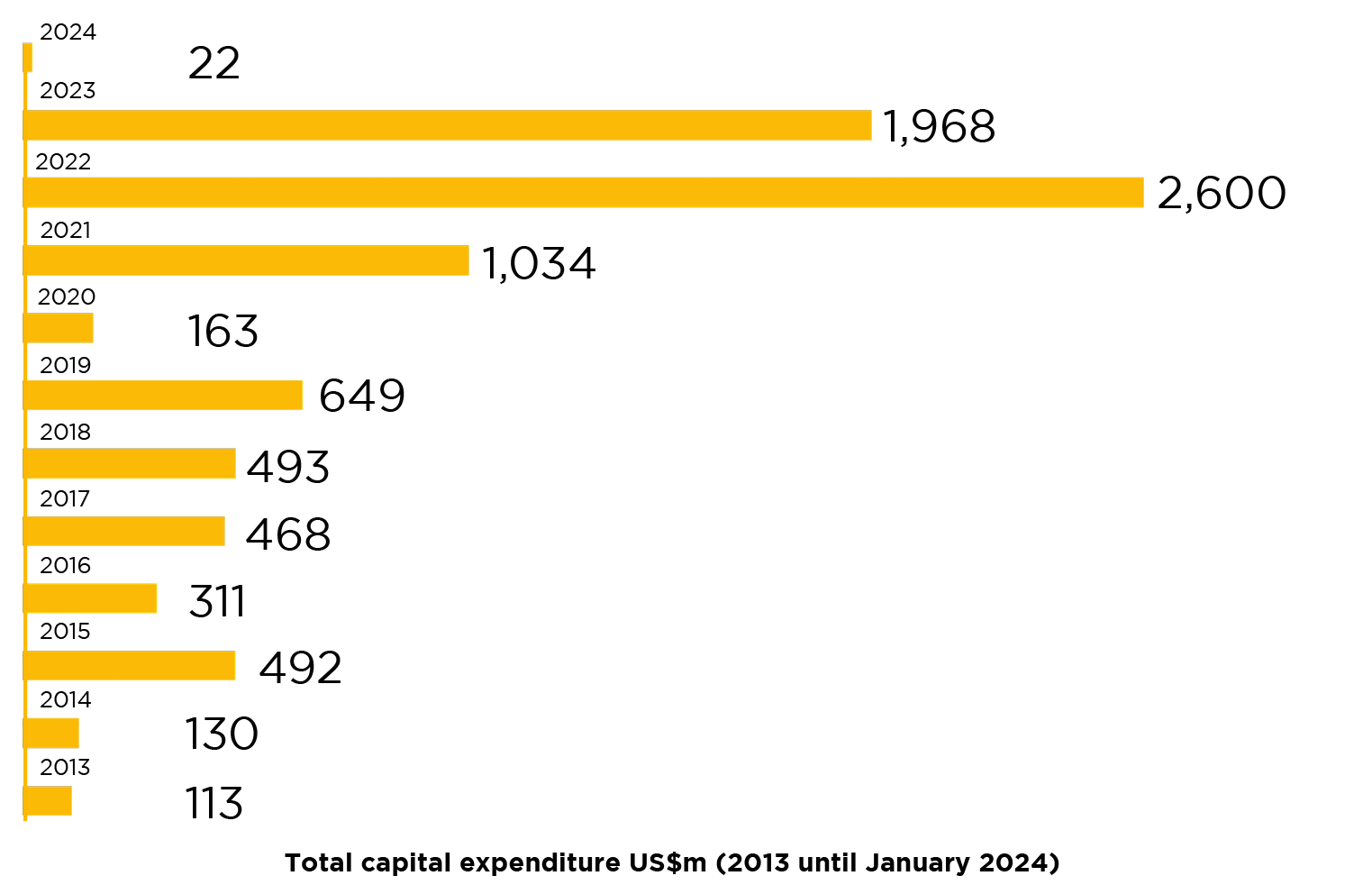
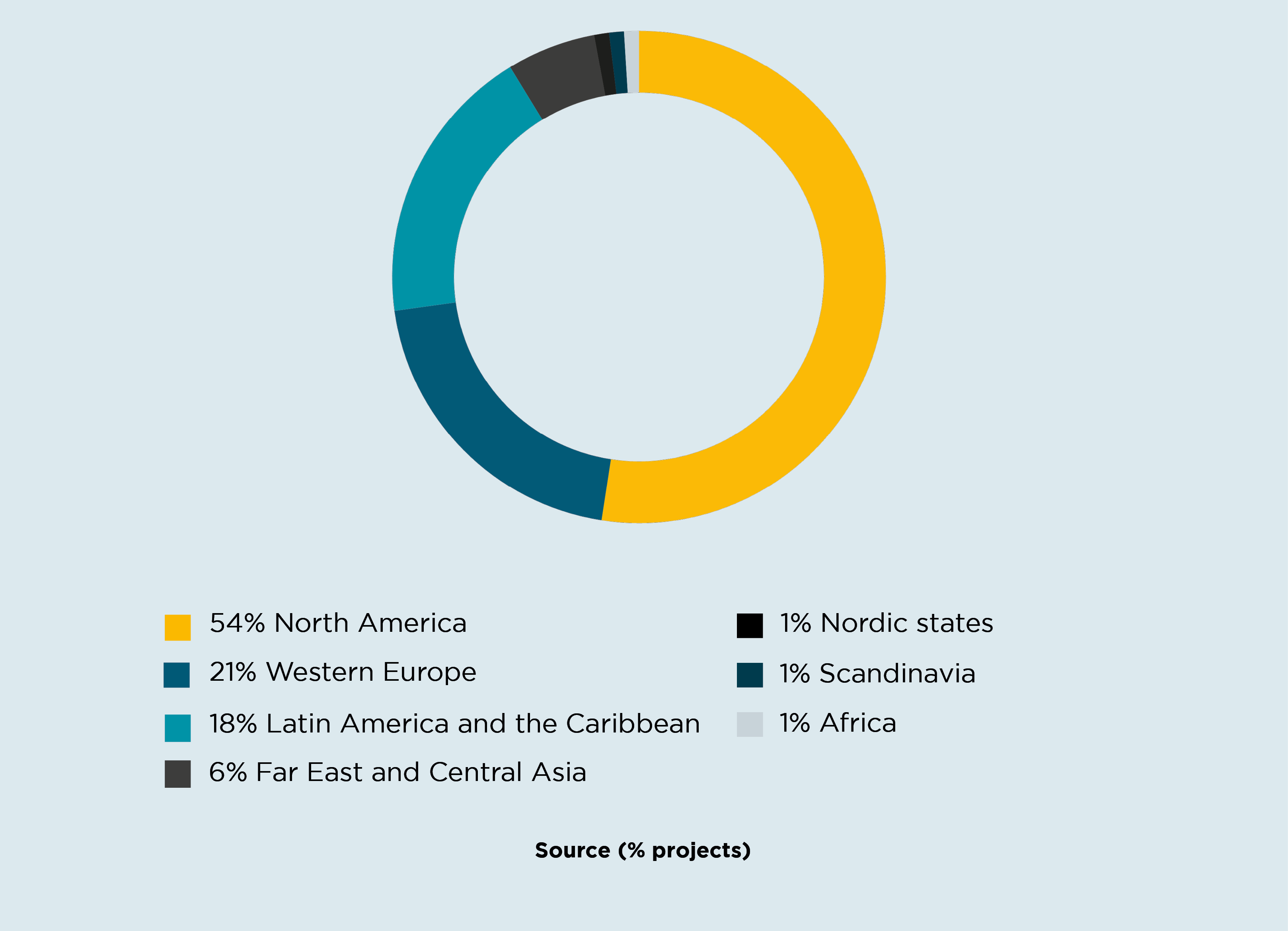
Also, highlights are:
To read the full analysis on investments and the economic outlook in Costa Rica, download our FDI report.

By submitting your email address, you acknowledge that you have read the Privacy Statement and that you consent to our processing data in accordance with the Privacy Statement (including international transfers). If you change your mind at any time about wishing to receive the information from us, you can send us a message using the Contact us page.
Submit
